Metal Roofing in Colorado: Pros, Cons, Costs, and Key Comparisons
- Michael Windle
- Jan 17
- 3 min read
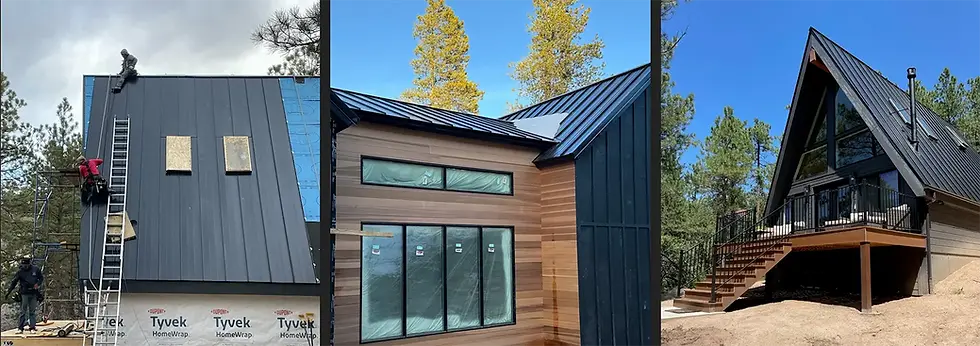
Choosing the right roofing system in Colorado isn’t just about appearance — it’s about performance. With heavy snow loads, intense UV exposure, high winds, and frequent hailstorms, Colorado roofs must handle more stress than those in many other states.
Metal roofing has become one of the most trusted solutions for Colorado homeowners because of its durability, energy efficiency, and long lifespan. Below, we break down the benefits, drawbacks, costs, and key comparisons — including the difference between standing seam and exposed fastener metal roofing systems — so you can make an informed decision.
Benefits of Metal Roofing in Colorado
Exceptional Durability and Longevity
Metal roofs typically last 40–70 years, significantly outperforming asphalt shingles, which often require replacement after 15–30 years. Metal resists cracking, warping, and erosion — all common problems caused by Colorado’s extreme weather cycles.
Superior Hail & Wind Resistance
Many modern metal roofing systems achieve a Class 4 hail rating, the highest available. Depending on the system, metal roofs can withstand 110–120 mph winds, making them ideal for Colorado storms.
Energy Efficiency
Metal roofing reflects solar radiant heat, helping reduce cooling costs by 10–25% during summer months. This is especially beneficial along the Front Range, where sunny days are common year-round.
Snow Shedding & Ice Reduction
The smooth surface of metal roofing allows snow and ice to slide off more easily, reducing roof stress and the risk of ice dams — particularly important in higher elevations and mountain communities.
Fire Resistance
Metal roofs are non-combustible and carry a Class A fire rating, offering added protection in wildfire-prone areas of Colorado.
Environmentally Friendly
Most metal roofs are made with recycled materials and are 100% recyclable at the end of their lifespan, reducing landfill waste compared to asphalt shingles.

Drawbacks of Metal Roofing in Colorado
Higher Upfront Cost
Metal roofing requires a larger initial investment. However, the long lifespan and reduced maintenance often offset the higher upfront cost over time.
Noise During Storms
Rain and hail can sound louder on metal roofing, though proper insulation and underlayment significantly reduce noise.
Thermal Expansion & Contraction
Metal expands and contracts with temperature changes. Proper installation by experienced professionals is critical to prevent fastener issues or leaks.
Snow Retention Systems May Be Needed
While metal sheds snow easily, snow retention systems are highly recommended to prevent dangerous snow slides — adding to project cost.
Standing Seam vs Exposed Fastener Metal Roofing (Key Comparison)
24-Gauge Standing Seam (Hidden Fastener System)
Best for: Long-term homeowners, mountain properties, premium builds
Advantages
Class 4 hail-resistant system
50+ year lifespan
Withstands winds up to 120 mph
Concealed fasteners prevent water intrusion
Minimal maintenance
Clean, modern appearance
Excellent fire resistance (Class A)
Compatible with solar systems
Suitable for low-slope roofs (above 2/12 pitch)
Considerations
Higher upfront cost
Snow retention recommended (added expense)
26-Gauge Pro Panel (Exposed Fastener System)
Best for: Budget-conscious homeowners, barns, shops, secondary structures
Advantages
Class 4 hail-resistant system
More affordable than standing seam
30+ year lifespan
Wind resistance up to 110 mph
Fire-resistant (Class A)
Simple installation
Compatible with solar
Suitable for slopes above 3/12 pitch
Considerations
Exposed fasteners may loosen after 8–10 years
Requires more maintenance over time
Fasteners are visible and affect aesthetics
Snow retention recommended
Cost of Metal Roofing in Colorado
Average pricing ranges
Materials: $3–$10 per sq ft
Installation: $2–$5 per sq ft
Additional costs: tear-off, permits, snow retention systems
For a typical 2,000 sq ft roof, total costs often range between $10,000 and $15,000, depending on material choice and roof complexity.
Which Metal Roofing System Is Right for You?
Choose standing seam if you want maximum lifespan, minimal maintenance, and premium appearance.
Choose exposed fastener panels if affordability is the priority and you’re comfortable with periodic maintenance.
Both options outperform asphalt shingles in Colorado — the right choice depends on budget, home style, and long-term plans.
Final Thoughts on Metal Roofing in Colorado
Metal roofing offers exceptional protection against Colorado’s harsh climate, delivering durability, energy efficiency, fire resistance, and long-term value. While the upfront cost is higher, many homeowners find the investment worthwhile over the life of the roof.
Working with experienced metal roofing professionals ensures proper installation, correct system selection, and long-term performance tailored to Colorado conditions.
For more information, give us a call at 719-344-9724 for southern Colorado and
720-233-2321 for northern Colorado. You can also click below to schedule a free roof inspection and estimate.

Comments